Archives
- 2026-05
- 2026-04
- 2026-03
- 2026-02
- 2026-01
- 2025-12
- 2025-11
- 2025-10
- 2025-09
- 2025-03
- 2025-02
- 2025-01
- 2024-12
- 2024-11
- 2024-10
- 2024-09
- 2024-08
- 2024-07
- 2024-06
- 2024-05
- 2024-04
- 2024-03
- 2024-02
- 2024-01
- 2023-12
- 2023-11
- 2023-10
- 2023-09
- 2023-08
- 2023-07
- 2023-06
- 2023-05
- 2023-04
- 2023-03
- 2023-02
- 2023-01
- 2022-12
- 2022-11
- 2022-10
- 2022-09
- 2022-08
- 2022-07
- 2022-06
- 2022-05
- 2022-04
- 2022-03
- 2022-02
- 2022-01
- 2021-12
- 2021-11
- 2021-10
- 2021-09
- 2021-08
- 2021-07
- 2021-06
- 2021-05
- 2021-04
- 2021-03
- 2021-02
- 2021-01
- 2020-12
- 2020-11
- 2020-10
- 2020-09
- 2020-08
- 2020-07
- 2020-06
- 2020-05
- 2020-04
- 2020-03
- 2020-02
- 2020-01
- 2019-12
- 2019-11
- 2019-10
- 2019-09
- 2019-08
- 2019-07
- 2019-06
- 2019-05
- 2019-04
- 2018-11
- 2018-10
- 2018-07
-
br Results and discussion br Conclusion In summary
2024-09-04
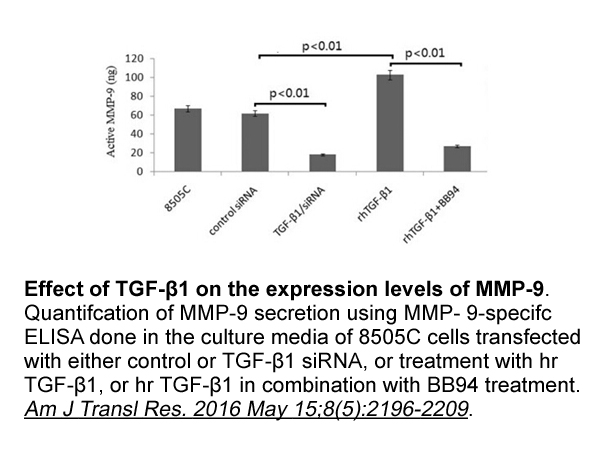
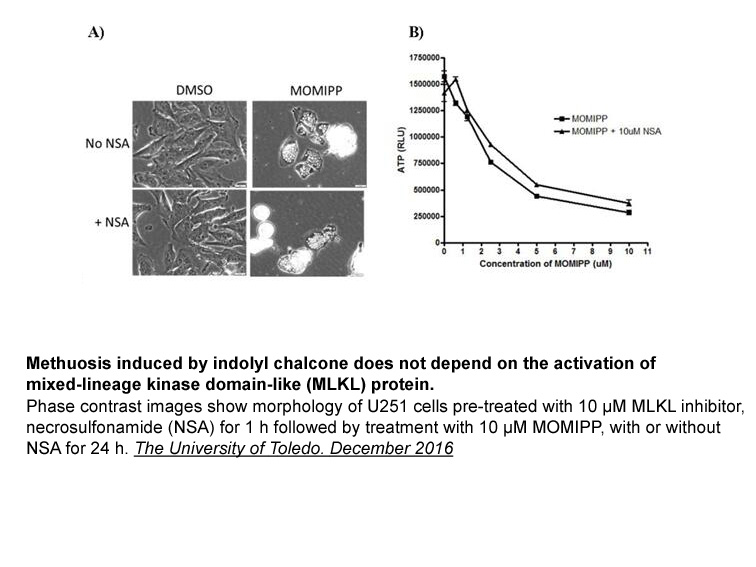
Results and discussion Conclusion In summary, a series of indazole-based derivatives were synthesized and SAR studies conducted, with view to the development of a novel Aurora kinases inhibitor. The carboxylic transketolase group extending from the C-3 position of the aniline and substituted g
-
Why do glutamate and glycine bind
2024-09-04
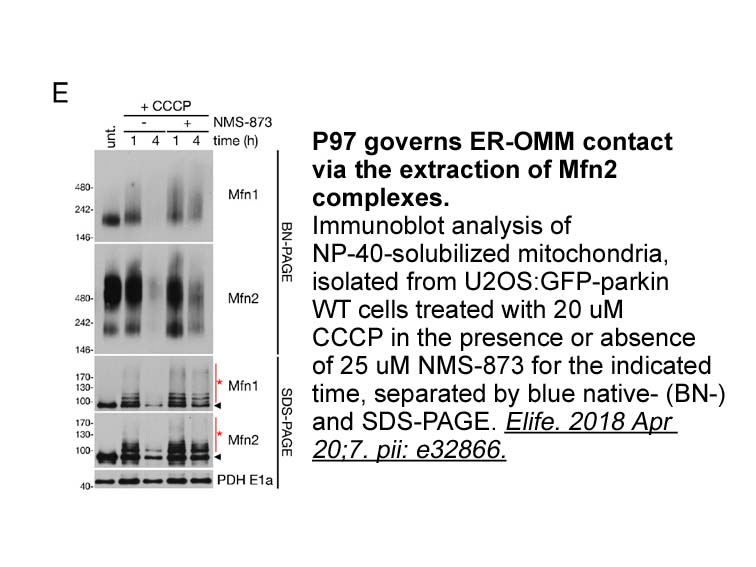
Why do glutamate and glycine bind to the ezh2 inhibitor in such different ways? Given the overall structural similarity between the GluN2A and GluN1 LBDs, one might conclude that the LBDs also bind ligands via similar processes. NMDA receptors with engineered disulfide linkages that lock the GluN1
-
We made a number of choices in the
2024-09-04

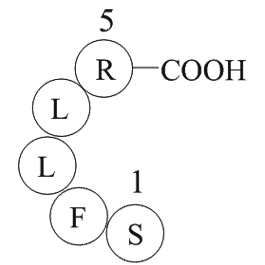
We made a number of choices in the original design of our experiments. First, we used only portions of the 5′ and 3′ regulatory elements from S. cerevisiae. The sequences of these regions were known [32] and our goal was to express the Pf-DHFR at low levels. In fact, our choice of only 600 bp of the
-
br Materials and methods br Results and
2024-09-04
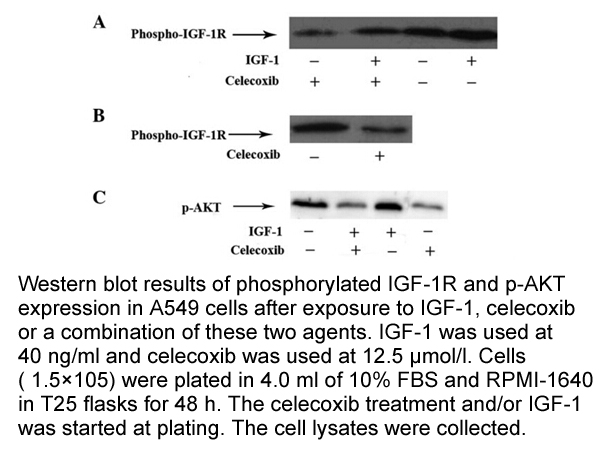
Materials and methods Results and discussion Conclusion The preparation of acrylic nanoparticles as aminosugar carriers could not be achieved by direct functionalization of poly(t-butyl acrylate) particles with saccharide groups. A four-step procedure starting from a protected derivative of
-
Sixth significant progress has been
2024-09-04
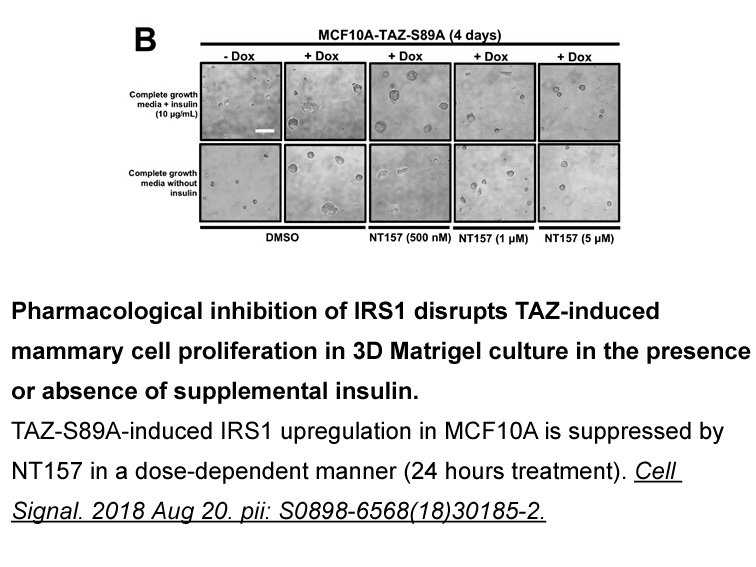
Sixth, significant progress has been made during the last few years regarding the molecular mechanisms underlying the activation of AMPK and this should aid to develop more potent and specific compounds. Information from crystallographic structures combined with computer-based drug design hold promi
-
A key building block in MT
2024-09-03
A key building block in MT-SGL is the computation of the proximal operator in (12) when is the multi-task sparse group lasso regularizer given byFor MT-SGL, the iterates x ≡ Θ are matrices, and the proximal operator is computed at z ≡ Z = Θ + α(Θ − Θ). For the loss function L(·) corresponding to Ga
-
Growing evidence indicates that GRKs can exert
2024-09-03
Growing evidence indicates that GRKs can exert different effects within the cell depending on the stimulus, cell type, and localization [97], [121]. In this sense, we were the first to demonstrate a mitochondrial localization for GRK2 [122], later confirmed by other investigators [123], establishing
-
The disease stimulatory effects of
2024-09-03
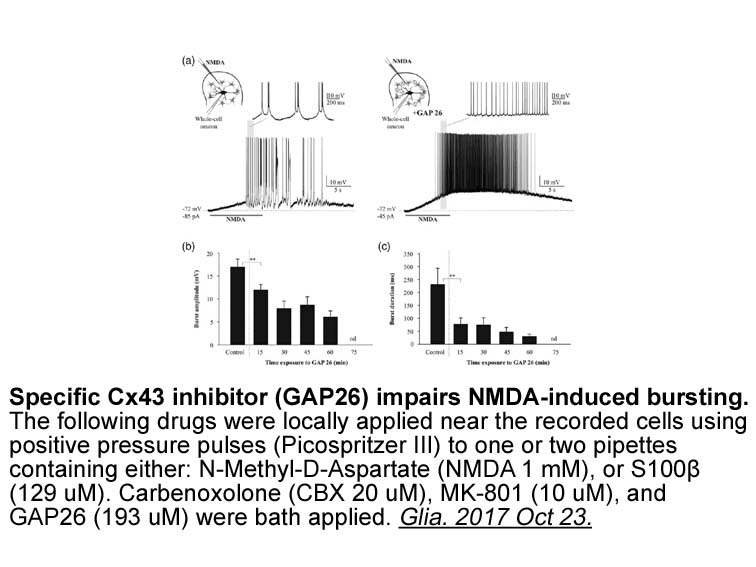
The disease-stimulatory effects of hyperadiponectinemia in patients contradict a previous view based on studies of preclinical models showing that APN might be beneficial for AD [8]. Indeed, despite the action of APN as a risk factor in patients with AD, APN is protective against oxidative stress-in
-
Luciferase Immunoprecipitation Systems LIPS which utilizes r
2024-09-03
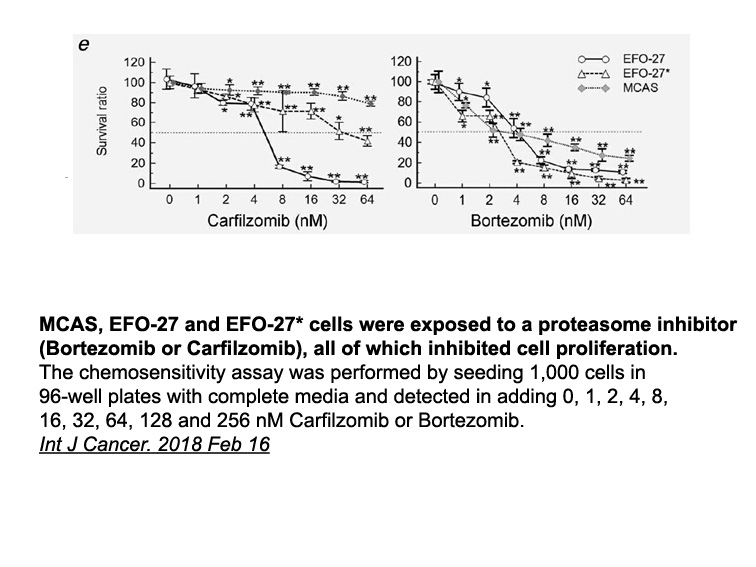
Luciferase Immunoprecipitation Systems (LIPS), which utilizes recombinant antigens fused to the enzyme reporter Renilla luciferase (Ruc) to detect patient antibodies, provides a unique platform to investigate ML324 australia directed against a variety of antigenic targets [25]. Previously, LIPS has
-
Language emerged among the Ach through the influence of
2024-09-03
“Language” emerged among the Aché through the influence of colonizers, missionaries, Bible translators, activists, anthropologists, the media, and the State. As an object, it now circulates in books, cellphones, political debates, at cultural events, on the radio, and even the Internet. It emerged a
-
Autophagy is finalized through the coordinated positioning a
2024-09-03
Autophagy is finalized through the coordinated positioning and fusion of autophagosomes with lysosomes, during which an array of common and specific membrane traffic-associated proteins is mobilized. Among these proteins, small GTPases, like Rab7, Rab34, or Arl8, and their Compstatin proteins, regu
-
In spite of this unexpectedly after three week cherry puree
2024-09-02
In spite of this, unexpectedly, after three-week cherry puree consumption no AC increase was observed, irrespective of the method used (Table 2). A statistically significant decrease of AC was even measured by LOX-FL and ORAC methods (−3.5% and −9%, respectively). Nevertheless, a much more evident d
-
br Results br Discussion Evaluation of antimicrobial
2024-09-02
Results Discussion Evaluation of antimicrobial usage is standardized using the DDD as a recommended strategy for comparison with similar hospitals [13]. The use of risk adjustment is needed to overcome the challenge of benchmarking. Two patient characteristics are associated with clinical outc
-
Studies have demonstrated that AT plays a greater role in
2024-09-02
Studies have demonstrated that AT2 plays a greater role in modulating arterial pressure in females than in males. Chronic low-dose infusion of Ang II decreased blood pressure in female rats at a dose that had negligible effects in males. Furthermore, AT2 blockade eliminates the depressor response to
-
cck 1303 br Conclusions br Transparency document br Acknowle
2024-09-02
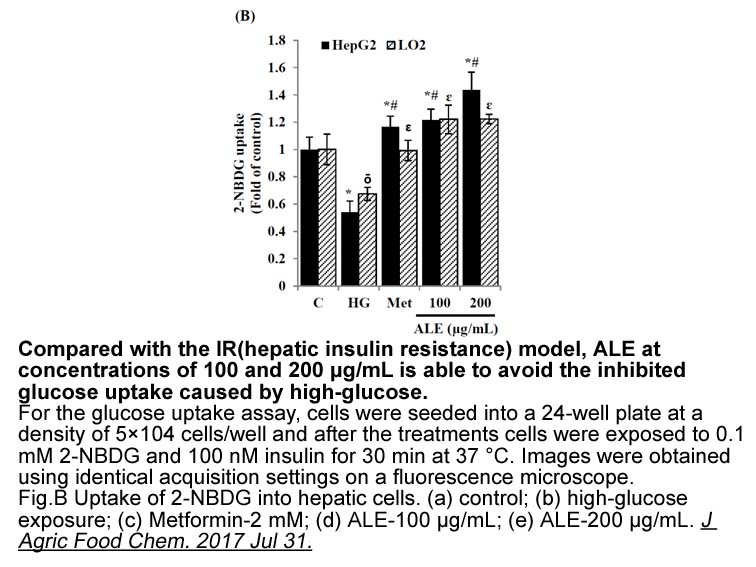
Conclusions Transparency document Acknowledgements This work was supported by a grant from the European Commission FP6 “Neuroprion” – Network of Excellence and Royal Veterinary College Bioveterinary science research project funding. We thank Professor Alun Williams (Cambridge University) fo
16869 records 107/1125 page Previous Next First page 上5页 106107108109110 下5页 Last page