Archives
- 2026-05
- 2026-04
- 2026-03
- 2026-02
- 2026-01
- 2025-12
- 2025-11
- 2025-10
- 2025-09
- 2025-03
- 2025-02
- 2025-01
- 2024-12
- 2024-11
- 2024-10
- 2024-09
- 2024-08
- 2024-07
- 2024-06
- 2024-05
- 2024-04
- 2024-03
- 2024-02
- 2024-01
- 2023-12
- 2023-11
- 2023-10
- 2023-09
- 2023-08
- 2023-07
- 2023-06
- 2023-05
- 2023-04
- 2023-03
- 2023-02
- 2023-01
- 2022-12
- 2022-11
- 2022-10
- 2022-09
- 2022-08
- 2022-07
- 2022-06
- 2022-05
- 2022-04
- 2022-03
- 2022-02
- 2022-01
- 2021-12
- 2021-11
- 2021-10
- 2021-09
- 2021-08
- 2021-07
- 2021-06
- 2021-05
- 2021-04
- 2021-03
- 2021-02
- 2021-01
- 2020-12
- 2020-11
- 2020-10
- 2020-09
- 2020-08
- 2020-07
- 2020-06
- 2020-05
- 2020-04
- 2020-03
- 2020-02
- 2020-01
- 2019-12
- 2019-11
- 2019-10
- 2019-09
- 2019-08
- 2019-07
- 2019-06
- 2019-05
- 2019-04
- 2018-11
- 2018-10
- 2018-07
-
The fact that GSK recognition of its substrate involves pre
2022-05-25
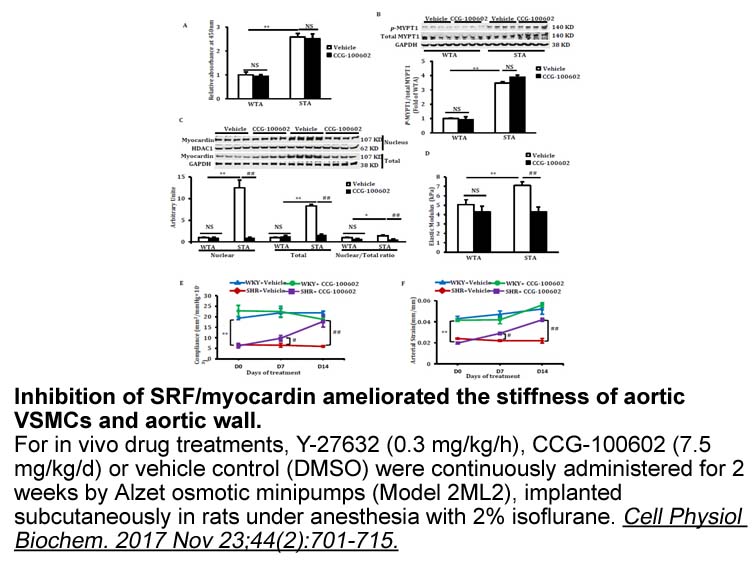
The fact that GSK-3 recognition of its substrate involves pre-phosphorylation supports the rational for using synthetic phosphorylated peptides as substrate competitive inhibitors [57]. Phosphorylated peptides derived from the N-terminal pseudosubstrate sequence of GSK-3β were very weak inhibitors o
-
br GSK The GSK family
2022-05-25
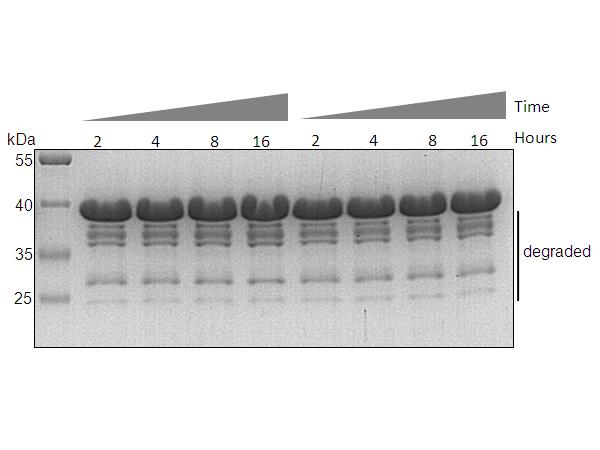
GSK-3 The GSK-3 family is highly conserved throughout evolution and is encoded by two genes, GSK-3α and GSK-3β, which are located in chromosomes 19q13.2 and 3q13.3 in human, respectively. Both GSK-3α and GSK-3β proteins exist in a variety of tissues with the highest levels found in Azacyclonol [
-
In mice iNKT cells are
2022-05-25
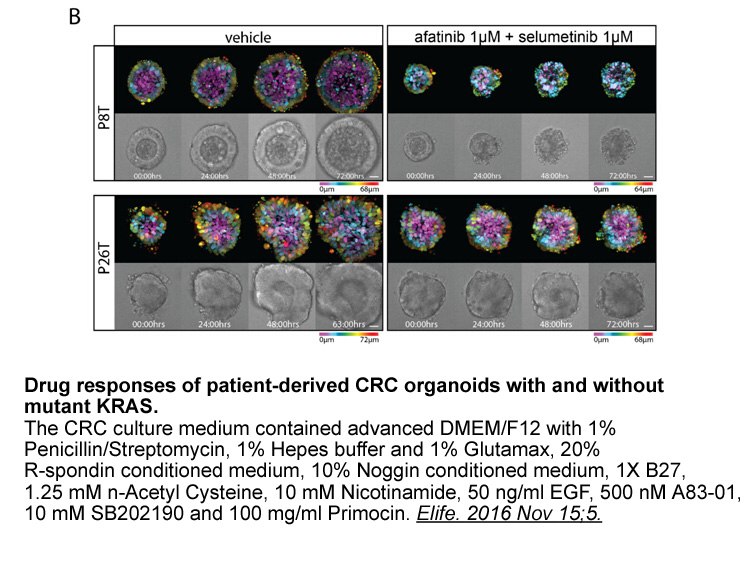
In mice, iNKT cells are most frequent (20–30%) among liver T lymphocytes, while they only constitute 0.4–1% of the total T cells in thymus, bone marrow, spleen, lymph node, and intraepithelial lymphocytes. In humans, iNKT cells constitute approximately only a 0.1–0.2% of the peripheral blood T lymph
-
Milligan et al demonstrated the
2022-05-25
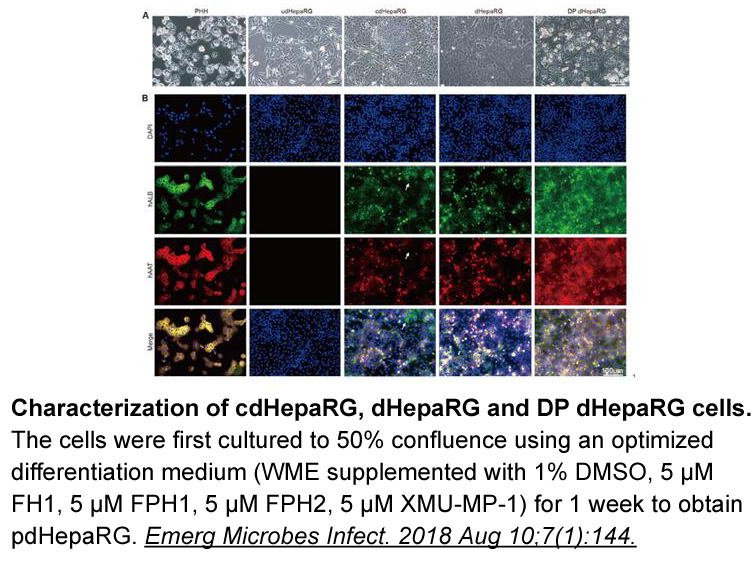
Milligan et al. [31] demonstrated the important role of TNF-α, IL-6 and IL-1β in the development of mechanical hyperalgesia induced by intrathecal injection of gp120. Because of this work, we decide to produce and purify gp120 to develop biological systems to study pain and behavior in rodents. Intr
-
Much less is known about
2022-05-25
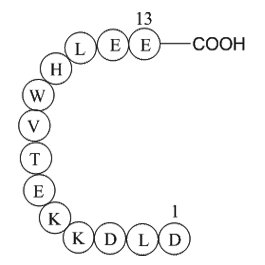
Much less is known about the α3 and α4 subunits. GlyR α3 subunit immunoreactive synapses are concentrated in discrete bands across the IPL; besides, bipolar, amacrine and ganglion cells have been suggested to express it (Haverkamp et al., 2003, Wässle et al., 2009). In fact, All amacrine express α3β
-
Glutamate aspartate transporters or excitatory amino acid tr
2022-05-25
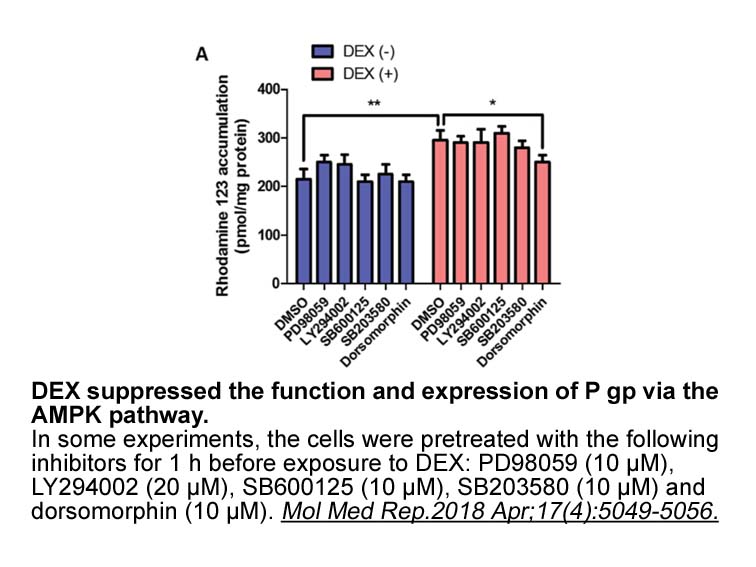
Glutamate-aspartate transporters or excitatory amino 4-HQN transporters (EAATs) are essential for the maintenance of glutamate homeostasis. EAATs are widely distributed in central neurons and glial cells (Danbolt, 2001, Martinez-Lozada et al., 2011). They are driven by Na + and K+ gradients (Jiang
-
Glucose uptake a critical metabolic
2022-05-25

Glucose uptake, a critical metabolic control point in glycolysis, is mediated by the GLUT (SLC2) family of integral membrane transporters (Mueckler and Thorens, 2013). GLUT1 (SLC2A1), one of the most well-studied members of the SLC2 family, exhibits a wide tissue distribution; cell surface expressi
-
To support maximal growth and metabolic function of major or
2022-05-25
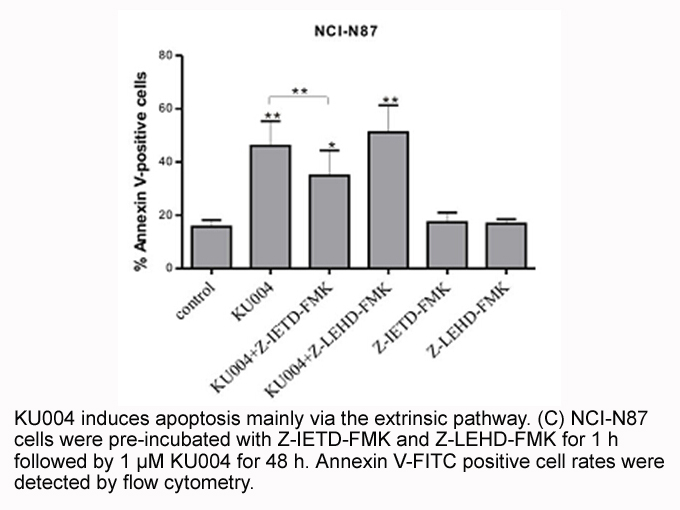
To support maximal growth and metabolic function of major organs, glucose and latanoprost synthesis are essential. We assessed the plasma levels of glucose and amino acids in LBW and NBW piglets at birth and at day 7 postpartum. Blood glucose levels were influenced by birthweight and age. In this s
-
br Methods br Results br Discussion Among three main
2022-05-25

Methods Results Discussion Among three main signaling pathways activated by bFGF, the MAPK pathway was found to be involved in the upregulation of GR levels. So far, there have been a few candidates that could connect activated ERK to the upregulation of GR. One likely candidate is the zinc
-
The classical genomic effects of GR come about through
2022-05-25
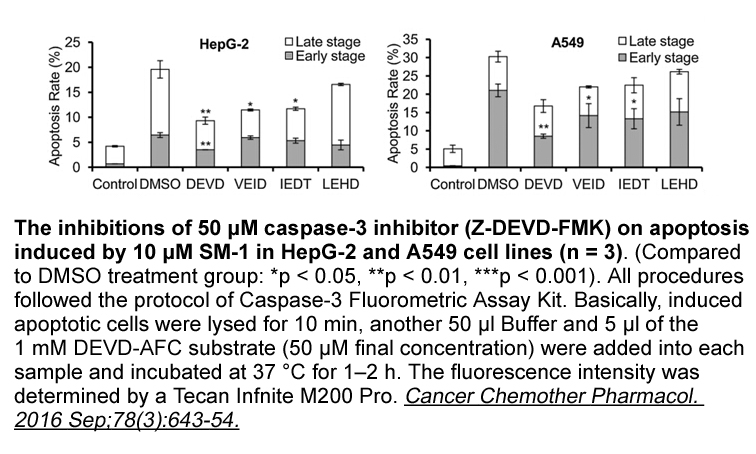
The classical genomic effects of GR come about through ligand-bound GR homodimerizing in the nucleus and via direct binding to GREs on the target genes, bringing about transcriptional activation or repression. Examples of target genes up-regulated by activated GR include genes encoding β2-adrenergic
-
These data suggest that the dehydration of the SSRBCs induce
2022-05-25
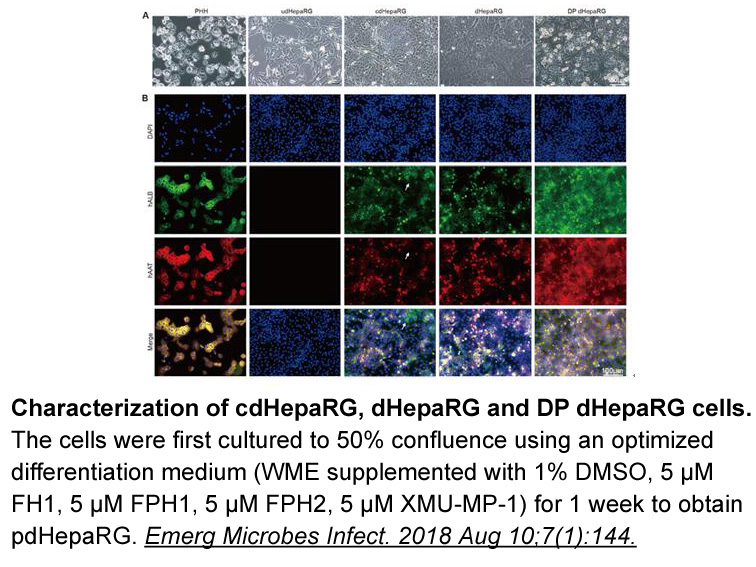
These data suggest that the dehydration of the SSRBCs induced by RANTES might result of an activation of the Gardos channel mediated by the chemokine receptor DARC. However, direct evidence of Gardos channel activation by chemokines in Duffy-positive SSRBCs leading to cell dehydration has not been e
-
Epigenetics Compound Library br Materials and methods br Res
2022-05-24
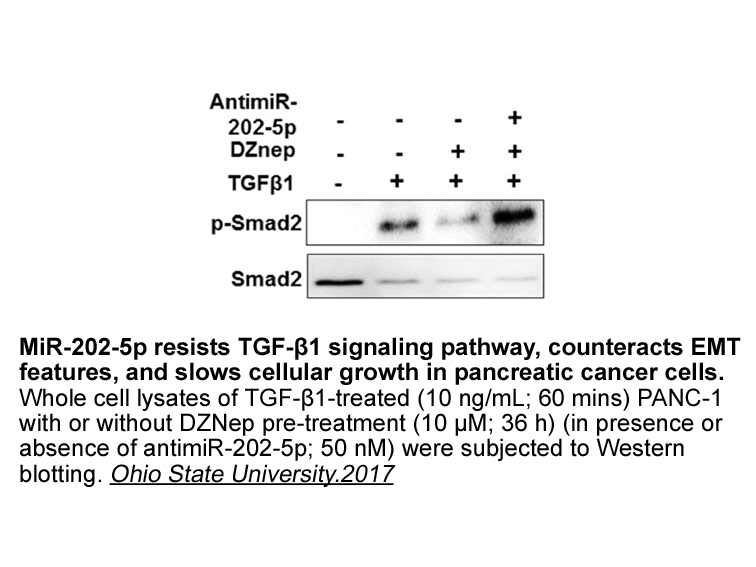
Materials and methods Results Discussion FFAR4 is a G-protein coupled free fatty Epigenetics Compound Library receptor that has been reported to be expressed in osteoclasts and osteoblasts [18]. In this study the role of FFAR4 on the effects of different classes of UFAs, the ω−6 PUFA, AA,
-
Recent research has focused on identifying
2022-05-24
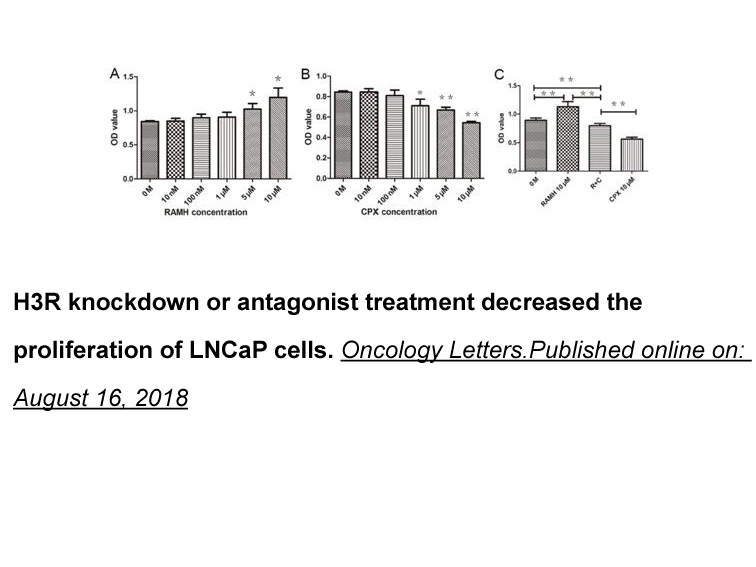
Recent research has focused on identifying key agonists and receptors mediating nutrient-induced GLP-1 and insulin secretion. The long-chain fatty Cholic acid receptor GPR40 is the most abundant GPCR expressed in islet β cells and is also expressed on intestinal L-cells, where it contributes to GLP
-
br Materials and methods br Results br Discussion Induction
2022-05-24
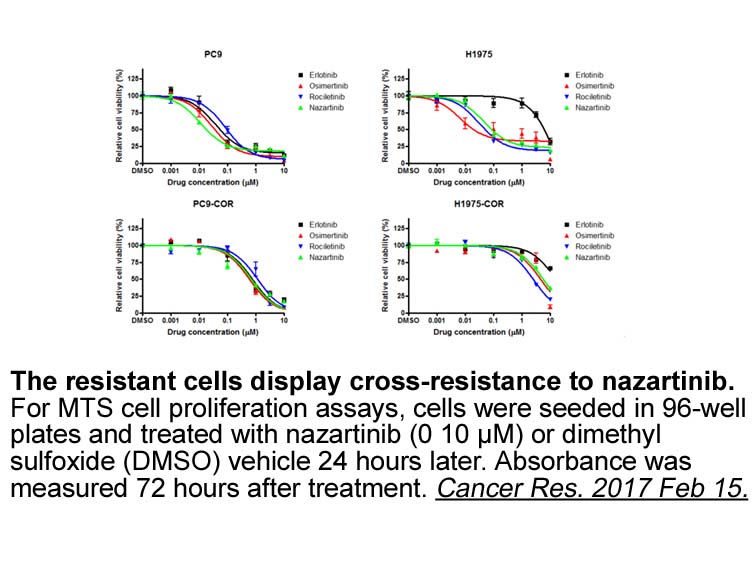
Materials and methods Results Discussion Induction of neuronal cell death is the main neurotoxic mechanism of arsenite (Vahidnia et al., 2007). Previous studies have demonstrated that arsenite may trigger neuronal cell death via apoptosis, autophagy as well as necrosis (Yen et al., 2012; La
-
Although pharmacological studies from the end of the th cent
2022-05-24
Although pharmacological studies from the end of the 20th century suggested that β1-AR induces a cAMP-dependent apoptosis [30], more recently it has been demonstrated that cAMP, acting through PKA, may be a crucial anti-apoptotic factor in cardiac myocytes [31]. cAMP can also stimulate PI3K, and the
16869 records 467/1125 page Previous Next First page 上5页 466467468469470 下5页 Last page